




Introduction:
The formative years of a child’s life, from birth to age five, are a window of tremendous opportunity during which the foundation for intellectual, emotional, and physical development is laid. Early childhood development (ECD) is not just about learning basic skills—it is about fostering an environment wherein children can thrive and discover their potential. This comprehensive exploration delves into the critical aspects of early childhood development, offering insights and strategies to enrich these pivotal years.
The Science of Early Brain Development
In the initial years of life, a child’s brain undergoes an extraordinary rate of development, forming neural connections at a pace unmatched by any other time in life. These connections are influenced by a range of factors including genetics, nutrition, and interaction with their environment. Nurturing a child’s brain in the early years is crucial for cognitive development, affecting everything from language acquisition to problem-solving skills. Engaging children in activities that stimulate their senses, and providing a secure and loving environment, can significantly impact their brain architecture and long-term abilities.
Emotional and Social Intelligence
Emotional and social development are key components of early childhood growth. Children learn to navigate their emotions and understand those of others, skills which are fundamental for personal and professional success later in life. Activities that encourage cooperation, sharing, and empathy can foster these skills effectively. Moreover, children modeled with healthy emotional responses from adults learn to regulate their own emotions more effectively, leading to better relationships and emotional well-being.
Physical Milestones
Physical development in young children encompasses the growth of mobility, coordination, and motor skills. Each phase from crawling to walking, and running, plays a significant role in physical health and confidence. Ensuring children have space and freedom to move, and introducing structured activities like throwing balls or climbing, helps strengthen their bodies and improves neurological development which is linked to other learning areas.
Language and Communication
The ability to communicate effectively begins in early childhood. Language development is propelled not only by genetic predisposition but significantly through interaction. Talking, singing, and reading to children from an early age foster vocabulary development and communication skills. Encouraging children to express themselves and engage in conversations enhances their language skills and builds confidence in their ability to communicate.
The Power of Play
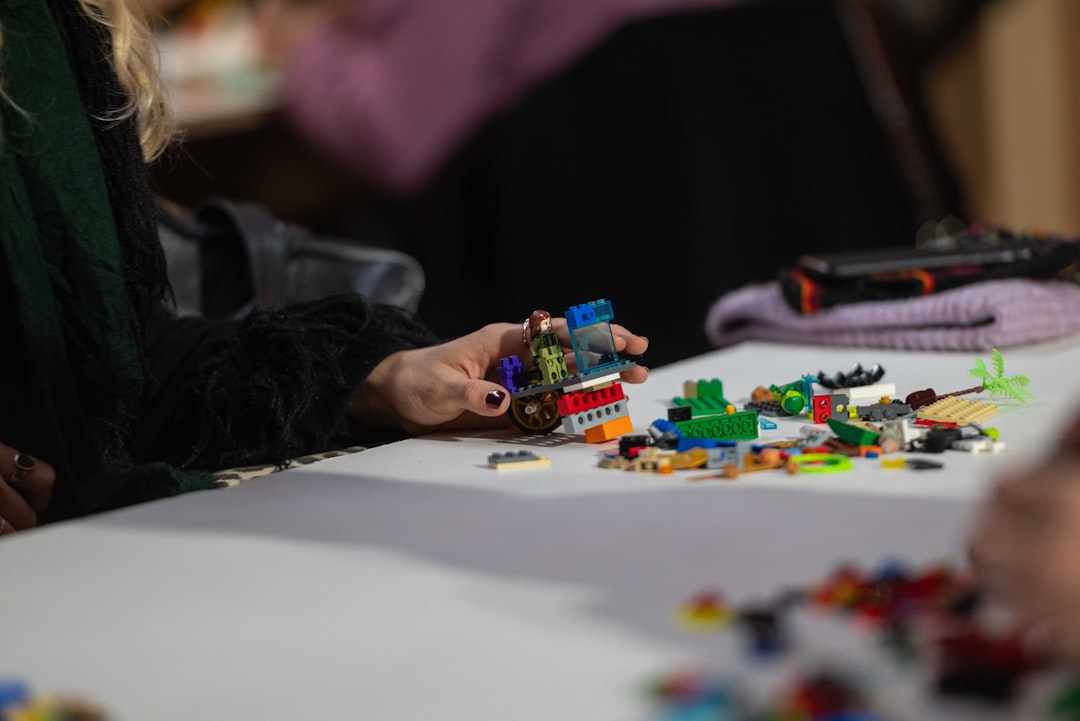
Play is not just a form of entertainment for children—it is a vital aspect of learning. Through play, children explore their environment, learn cause and effect, develop fine motor skills, and build social relationships. Structured play, guided by adults, and unstructured play, where children have the freedom to explore on their own, are both important. Encouraging imaginative play also boosts cognitive flexibility, allowing children to switch between different thoughts and behaviors more effectively.
Conclusion:
Early childhood development is a multifaceted area that integrates various aspects of growth to set the foundation for a fulfilling life. By understanding and supporting each area of development—cognitive, emotional, physical, communicative, and through play—caregivers and educators can provide the best opportunities for children to grow into capable and healthy individuals. The investment in early childhood is an investment in the future—a brighter, more stable, and more innovative society.