



In an era dominated by rapid technological advancements and changing economic landscapes, the necessity for ongoing education extends well beyond the traditional classroom. The future demands a skill set that adapts, evolves, and integrates new knowledge continuously. For our children, this means that the focus of education must shift from mere knowledge acquisition to developing a robust, lifelong learning mindset equipped with future-ready skills. Here’s how we can steer our young learners towards success in an unpredictable world.
Embracing a Growth Mindset
The foundation of lifelong learning is a growth mindset. This concept, popularized by psychologist Carol Dweck, emphasizes the belief that abilities can be developed through dedication and hard work. Encouraging children to embrace challenges, persist in the face of setbacks, and see effort as a path to mastery prepares them for the lifelong educational journey. Teaching them to value constructive feedback and view failures as learning opportunities is crucial for their personal and professional growth.
Digital Literacy and Computational Thinking
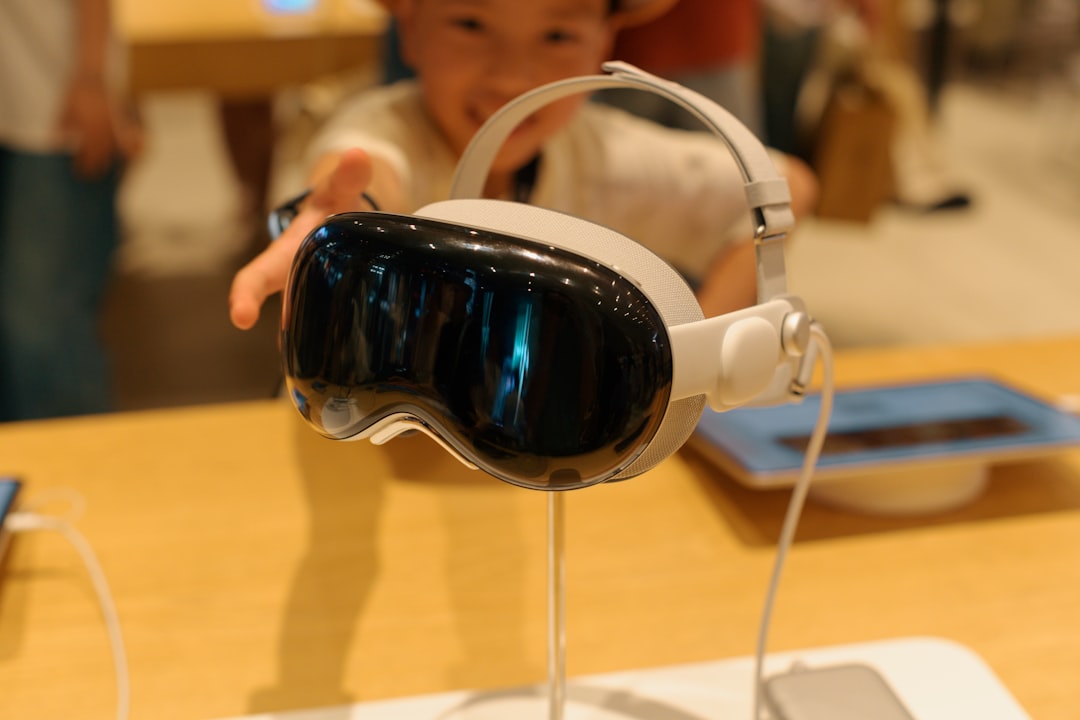
In the digital age, proficiency in navigating technology is as essential as reading and writing. Digital literacy doesn’t just involve using devices but also understanding how these technologies work and their impact on society. Computational thinking, a method of problem-solving that teaches kids to break down large problems into manageable parts, think in a logical sequence, predict patterns, and develop algorithms, is equally important. By integrating coding and programming into early education, we can cultivate these competencies from a young age.
Critical Thinking and Problem Solving
The ability to analyze information, think critically, and solve complex problems is invaluable in any future career. Children should be encouraged to ask questions, think deeply about various issues, and come up with innovative solutions. Activities that promote these skills include debate clubs, science fairs, and project-based learning, where students tackle real-world problems in creative ways.
Communication and Collaboration
As the workplace evolves, teamwork and communication become more important. Future professionals will need to collaborate across different cultures, disciplines, and virtual platforms. Schools can foster these skills through group projects and by using technology to connect students with peers around the globe. This not only enhances their ability to express ideas clearly and listen to others but also prepares them to work effectively in diverse teams.
Emotional Intelligence and Resilience
The future will require our children not only to be smart but also emotionally intelligent. Recognizing and managing their own emotions, empathizing with others, handling interpersonal relationships judiciously, and making decisions effectively are all aspects of emotional intelligence. Resilience, or the ability to bounce back from adversity, is another critical attribute. Through sports, arts, and social activities, children learn to cope with upsets and build the confidence to face new challenges.
As we prepare our children for the future, it’s clear that the skills needed are not static but evolving. Lifelong learning is no longer a luxury but a necessity. By fostering these essential skills from a young age, we not only enhance their personal and academic development but also equip them to navigate the complexities of tomorrow’s world with agility and success.